

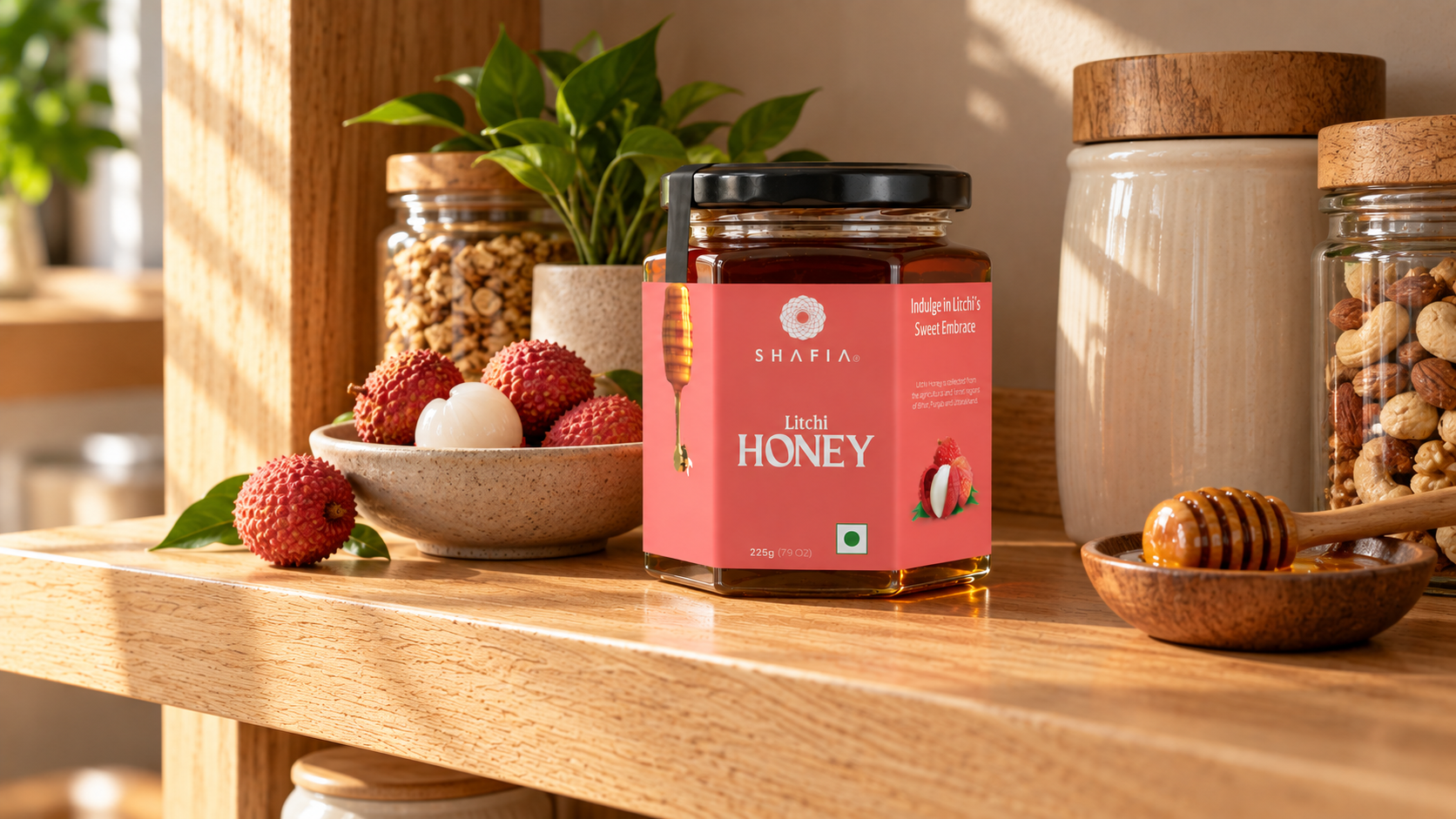
Honey is a naturally long-lasting food, but proper storage is important to preserve its flavor, aroma, color, texture, and overall quality. Although honey does not require refrigeration, the way it is stored can affect how quickly it crystallizes and how well its natural characteristics are maintained.
Whether you enjoy honey in tea, spread it on toast, use it in desserts, or simply keep a jar in your kitchen, following a few simple storage practices can help keep your honey delicious for longer.
Honey is naturally resistant to spoilage because of its low moisture content and naturally acidic environment. However, improper storage can still affect its quality.
Exposure to heat, moisture, direct sunlight, and strong odors can gradually change honey’s taste, aroma, color, and consistency. Storing honey correctly is therefore essential for maintaining its natural qualities.
The good news is that honey is easy to store. With the right container and a suitable place in your kitchen or pantry, you can keep it in good condition for a long time.
The best place to store honey is a cool, dry, and dark area, such as a kitchen cabinet or pantry.
1. Keep Honey at Room Temperature
Honey is best stored at normal room temperature. There is generally no need to refrigerate it. Refrigeration can make honey become thicker and crystallize more quickly, making it difficult to pour or scoop.
2. Avoid Direct Sunlight
Keep your honey away from windows and areas exposed to direct sunlight. Prolonged exposure to light and heat can affect its natural color, flavor, and aroma.
3. Keep It Away from Heat
Avoid storing honey near ovens, stovetops, or other heat-producing appliances. Excessive heat can negatively affect some of honey’s natural qualities.
4. Use an Airtight Container
Always keep the lid tightly closed when the honey is not being used. An airtight seal helps prevent moisture from entering and protects honey from absorbing unwanted odors from surrounding foods.
5. Choose the Right Storage Area
A pantry or closed kitchen cabinet is usually ideal. Choose a location that remains relatively cool and has a stable temperature.
Even though honey is simple to store, a few common mistakes can affect its quality.
Storing Honey in the Refrigerator:
Cold temperatures can encourage crystallization and make honey hard and difficult to use.
Leaving the Jar Open:
An open jar can absorb moisture and odors from the surrounding environment. Always close the lid after use.
Keeping Honey Near Heat:
Storing honey beside an oven, stove, or other heat source can expose it to unnecessary temperature changes.
Using a Wet Spoon:
Always use a clean and dry spoon when taking honey from the jar. Introducing water into honey can increase its moisture content and may affect its quality.
Storing It in Direct Sunlight:
A sunny windowsill may look convenient, but it is not an ideal storage location for honey.
Crystallization is a natural process and does not necessarily mean that honey has spoiled. Over time, glucose in honey can naturally form small crystals, causing the honey to become thicker or grainy.
Different types of honey crystallize at different rates. Temperature, floral source, and the natural composition of the honey can all influence crystallization.
If your honey crystallizes, you can gently warm the jar by placing it in a warm-water bath until the crystals soften. Avoid excessive heat, boiling water, or direct heating, as high temperatures can affect honey’s natural characteristics.
Once the honey returns to a smoother consistency, allow it to cool naturally and store it properly again.
Proper honey storage is simple: keep it sealed, dry, cool, and away from direct sunlight and excessive heat. There is usually no need to refrigerate honey, and natural crystallization is not a sign that it has gone bad.
By storing your honey correctly and using clean, dry utensils, you can help preserve its natural flavor, aroma, color, and texture for longer.
A little care in storage goes a long way in keeping every spoonful of honey as enjoyable as the day you opened the jar.